


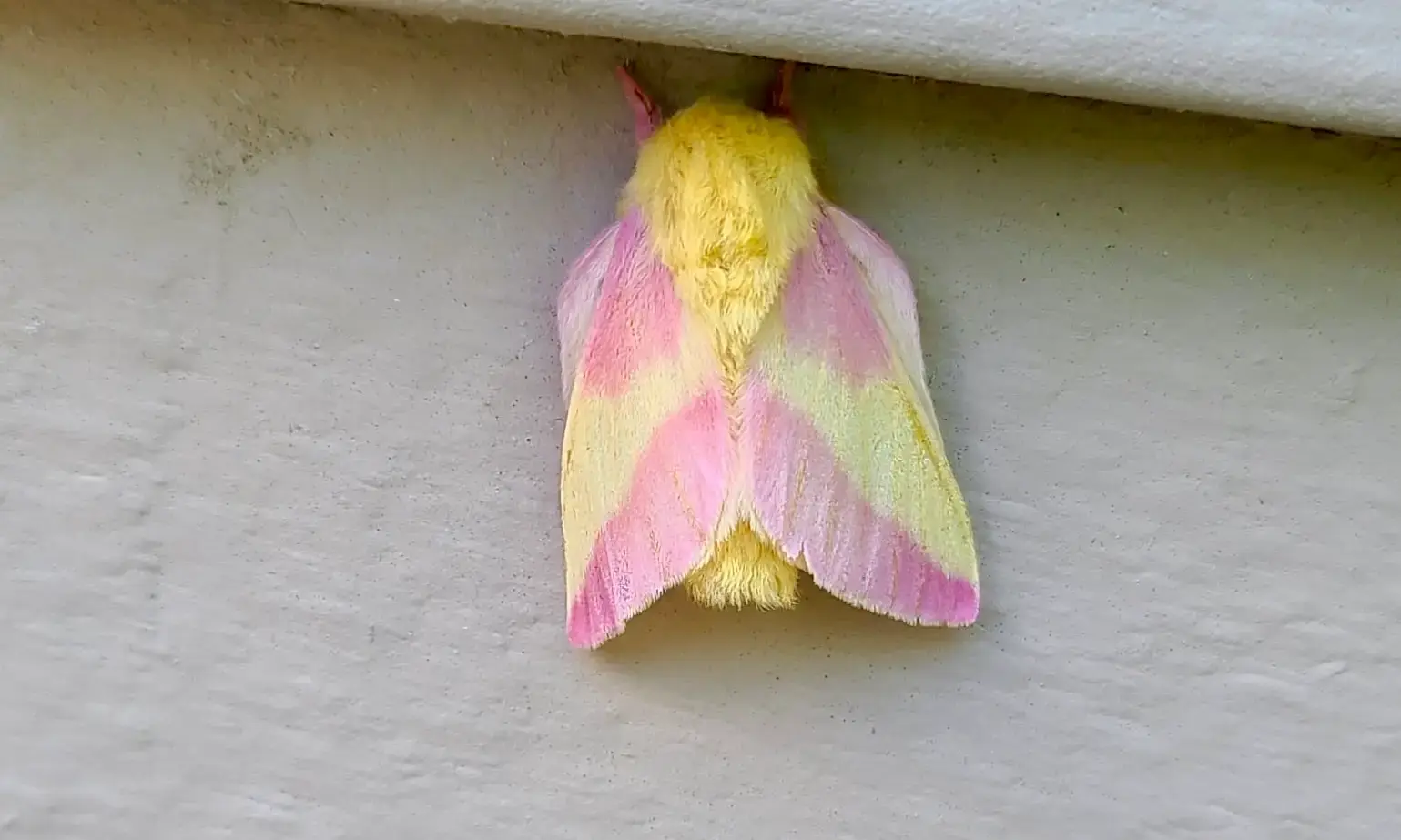
If you learned about metamorphosis in third grade, you probably remember the simple version: caterpillar spins a cocoon, does some mysterious business inside, and out pops a butterfly. Neat, tidy, done.

The real story is much stranger and it turns out to matter for how we think about the insects sharing our homes and yards.
The Caterpillar Basically Melts
Here’s the part most of us never learned: once a caterpillar seals itself inside its chrysalis, its body starts to dissolve. Hormones trigger a process called histolysis, in which enzymes break down almost all of the caterpillar’s tissue into a nutrient-rich slurry. Muscles, gut, skin: most of it liquefies.
From that soupy mess, clusters of cells called imaginal discs and specialized rebuilding cells called histoblasts get to work constructing something entirely new: wings, antennae, six new legs built for flying instead of crawling, compound eyes, an entirely different mouth designed for sipping nectar instead of shredding leaves. A butterfly is basically built from the recycled remains of a caterpillar.
Given all that, you’d assume nothing survives the process. A brand-new animal, with a brand-new brain, and no connection to its past. For over a hundred years, that’s what scientists assumed too.

Except Some of the Brain Stays Online
In a landmark study, researchers at Georgetown University trained tobacco hornworm caterpillars to avoid a specific odor by pairing it with a mild shock. The caterpillars learned the association quickly… and kept it through multiple molts. Then something surprising happened: after the caterpillars pupated and emerged as fully formed moths, most of them still avoided the same odor, weeks later, with an almost entirely rebuilt body and lifestyle.
The likely explanation is that while the vast majority of the nervous system is torn down and rebuilt, certain structures persist. Particular regions known as the mushroom bodies, which handle learning and memory in insect brains, remain largely intact through the chaos of histolysis. The wiring for that specific memory survives the demolition and reconstruction happening everywhere else.
Follow-up work found something even more interesting: only caterpillars trained later in their larval development retained the memory as adults. Younger caterpillars learned the same lesson just fine, but lost it after pupating. So memory’s metamorphosis survival depends on when the memory formed and which parts of the developing brain were mature enough to encode it durably.
Researchers think this has a real evolutionary purpose. A female butterfly that remembers which host plant she fed on as a caterpillar may be more likely to lay her own eggs on that same type of plant, passing a kind of learned preference down to the next generation, without a single gene changing.
It’s one of the more beautiful ideas in entomology: that identity and experience can carry through a transformation this total. The “eating machine” that was a caterpillar and the pollinator fluttering through your garden aren’t as disconnected as they appear.
Here’s the Catch: Pests Remember Too
We love telling this story because it’s genuinely wonderful science about beneficial insects. Pollinators, in particular, are essential to the ecosystems (and gardens) we all enjoy.
But the same basic principle that insects can learn, retain, and act on memory doesn’t stop at butterflies. Cockroaches, ants, and other household pests are capable of learned avoidance too. A pest colony exposed to the same bait, the same spray, or the same trap placement repeatedly can develop behavioral avoidance to that specific approach, sometimes within a single season. Rodents are especially notorious for this: a rat that has a bad experience with a particular bait station will actively steer clear of anything that looks or smells like it afterward. This is a phenomenon pest professionals have documented for decades.
In other words, memory is fascinating when it is part of a butterfly story, but is a a live variable in pest control. A treatment plan that never changes is a treatment plan that pests can learn to route around.
Why That’s the EnviRx Difference
This is exactly why we don’t run a one-size-fits-all playbook. Our team follows Integrated Pest Management principles specifically because static treatments lose effectiveness against organisms that adapt and learn. We track what’s working, rotate active ingredients and techniques, and adjust strategy based on real pest behavior at your property.
The same nervous systems that let a butterfly remember its life as a caterpillar let a pest population get wise to your defenses. Staying ahead of that takes a team that treats pest control as a science, not a routine.
That’s what we’re here for.
Rob Greer, founder and CEO of EnvirX Pest Solutions, developed a deep respect for nature growing up in a small rural town, where he raised horses and cattle. He began his career in pest control in 2001 and has spent over two decades building and leading pest control operations across the country.
Rob holds a BS in Business Management and is an Associate Certified Entomologist (ACE), a credential held by a small percentage of pest control professionals nationwide. His contributions to the industry include collaboration on the National Pesticide Applicator Certification Core Manual for the EPA and the QualityPro Customer Service Credential Task Force. He is an active member of the Texas Pest Management Association.
The outskirts of Houston is where Rob ran the trails of Huntsville at the Rocky Raccoon 100, and EnvirX’s leadership team lives and works throughout the greater Houston metro. That on-the-ground familiarity with Gulf Coast pest pressures and what residents actually need is what shaped the EnvirX approach…a prescription-based model that diagnoses root causes rather than just treating symptoms.
Leave a Reply