


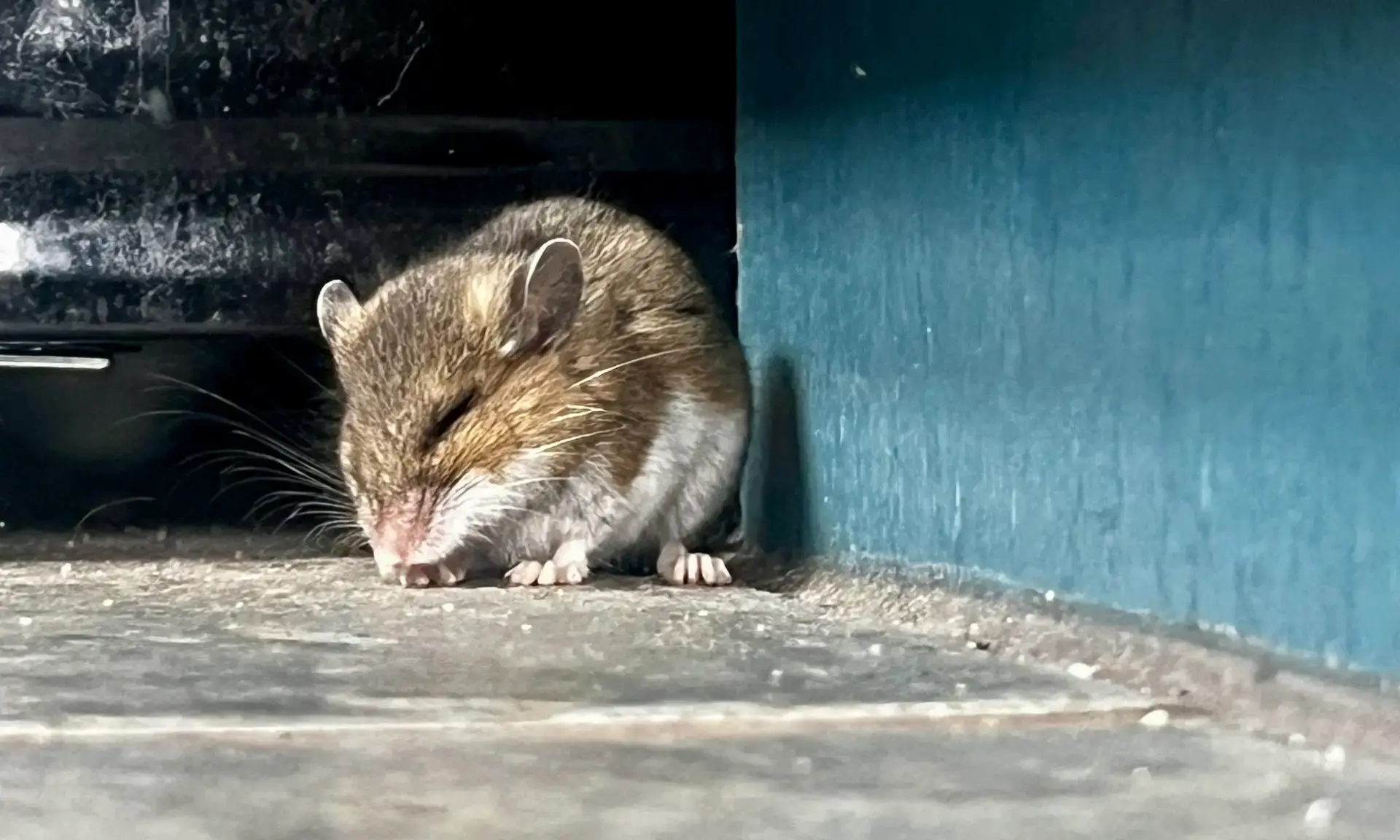
Houstonians know our “fall” doesn’t look like fall anywhere else. One week it’s 90 degrees, the next there’s a cold front, a little rain, and a sudden urge to buy pumpkins. But even with our mild temperatures, local rodents get the message that it’s time to find a warm, dry, protected place to settle in.
For many homes in the Houston area, that place is your attic.
Roof rats, Norway rats, and house mice are all active in our region, and they’re experts at finding the smallest gaps in a home’s exterior. Roof rats in particular are excellent climbers, using tree limbs, fences, and power lines to reach the roofline. Once they’re in, they nest in insulation, chew wiring, and multiply quickly.
The good news is that a lot of fall pest prevention in Houston comes down to simple, proactive habits. Below is a homeowner’s guide to spotting weak points and sealing up before rodents move in.

Why Rodent Exclusion Matters More Than Traps
It’s tempting to set a few traps and call it done. But trapping without sealing entry points is like mopping the floor while the sink is still running. Rodent exclusion in Houston means finding and closing the openings rodents use to get in, so the problem is solved at the source instead of repeated every season.
A good rule of thumb: mice can squeeze through a gap about the size of a dime, and rats can fit through an opening about the size of a quarter. That’s smaller than most people expect.
Top 10 Places to Check for Rodent Entry Points
Grab a flashlight and walk your property, inside and out. These are the most common weak spots we see in Houston homes:
- Roof vents and ridge vents. Damaged or loose screens are an open invitation, especially for roof rats.
- Soffits and fascia boards. Look for gaps, rotted wood, or chewed edges where the roof meets the wall.
- Gable vents. Missing or torn screening is one of the easiest ways into an attic.
- Where utility lines enter the home. Check around gas, water, electrical, cable, and AC line penetrations for gaps.
- Garage door seals and corners. Worn bottom seals and gaps at the sides let rodents walk right in.
- The foundation line. Look for cracks, gaps, and spots where siding doesn’t meet the slab.
- Dryer vents and exhaust fan covers. Missing flaps or damaged covers are easy targets.
- Roofline transitions. Check where roof sections meet, around chimneys, and around dormers.
- Doors and windows. Gaps under exterior doors and torn window screens add up fast.
- Tree limbs and fence lines touching the home. These aren’t entry points themselves, but they’re the highways roof rats use to reach one.
Tip: Look for greasy rub marks along walls and pipes, droppings, gnaw marks, and shredded material. These are signs rodents are already using a spot.
Top 10 Things to Do to Fall-Proof Your Home
Once you know where the weak spots are, these steps help you shore things up and make your property less inviting:

- Seal small gaps with the right materials. Use copper mesh or steel wool packed into gaps, finished with exterior-grade sealant. Rodents can chew through foam and plastic alone.
- Cover larger openings with hardware cloth. Quarter-inch galvanized mesh works well over vents and bigger holes.
- Trim trees and shrubs back at least 4 to 6 feet from the roofline. This cuts off the aerial route roof rats love.
- Replace worn door sweeps and garage door seals. It’s an inexpensive fix with a big payoff.
- Store pet food and bird seed in sealed containers. Rodents find these quickly, and bird feeders are a common draw.
- Keep trash cans tightly lidded and away from the house. Rinse them out occasionally too.
- Pick up fallen fruit and nuts. Citrus, pecans, and other yard produce are an easy meal for roof rats.
- Clear clutter in the garage, attic, and storage areas. Move boxes off the floor and use sealed plastic bins instead of cardboard.
- Fix leaks and standing water. Rodents need water, and Houston humidity gives them plenty of help. Check hose bibs, AC drip lines, and gutters.
- Do a quick attic check. With a flashlight (and safe footing), look for droppings, disturbed insulation, chewed wiring, or odd odors. Attic rodent control in Houston is far easier when you catch problems early.
When DIY Isn’t Enough
Homeowner prevention goes a long way, but some situations call for a professional touch: active activity in the attic, noises in the walls at night, chewed wiring, or entry points on steep or high rooflines. A professional pest exclusion service in Houston can inspect areas that are hard or unsafe to reach, identify entry points you might miss, and seal the home properly so rodents don’t come back.
Roof work and attic crawling aren’t something to take lightly. If something feels unsafe, it’s okay to call in help.

Let Us Handle It
If you’d like a hand with any of this, or you’d just rather spend your time designing the perfect costume for your upcoming Halloween parties, reach out to EnviRx Pest Solutions. We’ll take care of it for you, so the only thing spooky around your house this season is the decorations.
Explore more fascinating facts about the natural world at goenvirx.com.
About Rob Greer: Pest Control Expert and Industry Leader
Rob Greer, founder and CEO of EnviRx Pest Solutions, developed a deep respect for nature growing up in a small rural town, where he raised horses and cattle. He began his career in pest control in 2001 and has spent over two decades building and leading pest control operations across the country.
Rob holds a BS in Business Management and is an Associate Certified Entomologist (ACE), a credential held by a small percentage of pest control professionals nationwide. His contributions to the industry include collaboration on the National Pesticide Applicator Certification Core Manual for the EPA and the QualityPro Customer Service Credential Task Force. He is an active member of the Texas Pest Management Association.
The outskirts of Houston is where Rob ran the trails of Huntsville at the Rocky Raccoon 100, and EnvirX’s leadership team lives and works throughout the greater Houston metro. That on-the-ground familiarity with Gulf Coast pest pressures and what residents actually need is what shaped the EnvirX approach…a prescription-based model that diagnoses root causes rather than just treating symptoms.
Leave a Reply